

NewVideo about AFLO FMAFLO FM is a new generation of CAFM: built from the ground up so your team is productive on day one.Discover
FM Worldwide

Perspectives from the world’s great cities.

Field notes from international cities: how they organize infrastructure, mobility and resilience as well as which lessons facility management can draw from them.

Munich
Munich · July 2026

Munich: When Mobility Becomes a Facility Management Task

Munich has a high-performing infrastructure and excellent public transit. What stood out during my visit, however, was the coordination of traffic lights: if the speed limit is lowered without adjusting the signal programs, a green wave breaks down into a series of needless stops, costing time, energy and emissions.

Commercial traffic is hit hardest, from service technicians and contractors to package delivery services. Adaptive, AI-supported control could align signal timings with the actual traffic situation in real time and make the traffic light part of a learning urban operating system.

Implication for facility management

A city can be run like a campus: measure flows, spot bottlenecks, conserve resources. Sustainability means consistently eliminating inefficiency.


Los Angeles
Los Angeles · January 2025

LA on Fire—and Fighting Back with Innovation

In January 2025, two major wildfires devastated the Los Angeles region. Damage is estimated at more than USD 250 billion, and over 16,000 buildings were destroyed. With the “LA 2.0” rebuilding program, a fundamental question moves center stage: how can urban infrastructure become more resilient to extreme events?

One conceivable approach is an underground sprinkler and hydrant network along the street grid—an “Urban Fire Response Network” positioned at critical points and triggered automatically in acute fire risk through AI-driven sensors and real-time data analytics.

Implication for facility management

Resilience becomes a design parameter. Sensors, real-time data and automated response chains belong in every contemporary operating and safety concept.

Toronto
Toronto · October 2024

Toronto—a City Shaping the Future

Canada’s largest city combines multicultural diversity with a determined innovation agenda. The MaRS Discovery District is among North America’s leading innovation hubs, while the Quayside project reimagines the waterfront.

Initiatives such as the Open Data Portal and investment in 5G networks and autonomous mobility show how a city can treat data as infrastructure—and thereby lay the foundation for better decisions.

Implication for facility management

Open, structured data is the prerequisite for data-driven building and portfolio management.

Seattle
Seattle · August 2024

Seattle—die Smaragdstadt

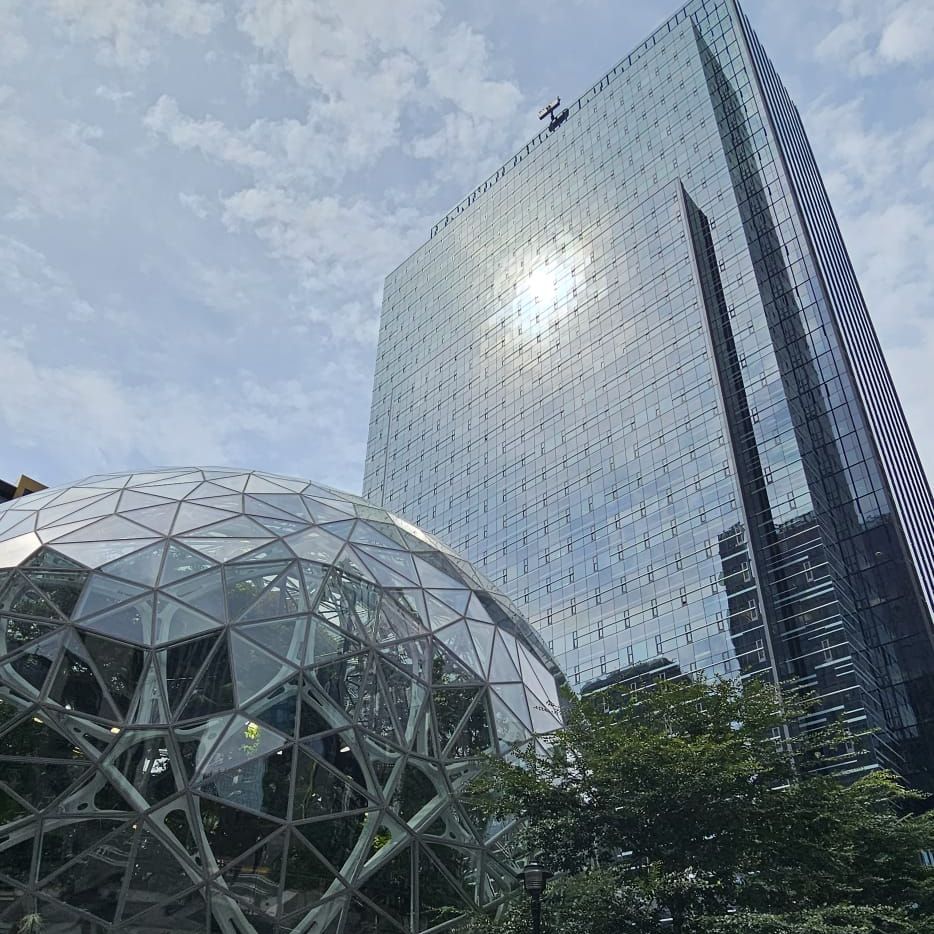
Seattle stands for a culture of innovation and sustainability. The Link light rail, bicycle-friendly streets and the transformation of neighbourhoods such as South Lake Union define the cityscape.

Companies such as Amazon and Microsoft set the benchmark—visible in Amazon’s “The Spheres”, a work environment that brings architecture, nature and employee wellbeing together.

Implication for facility management

The workplace is becoming a strategic instrument for attracting talent, retention and productivity.

Osaka
Osaka · January 2024

Osaka 2025: Innovation, Precision, and Resilience

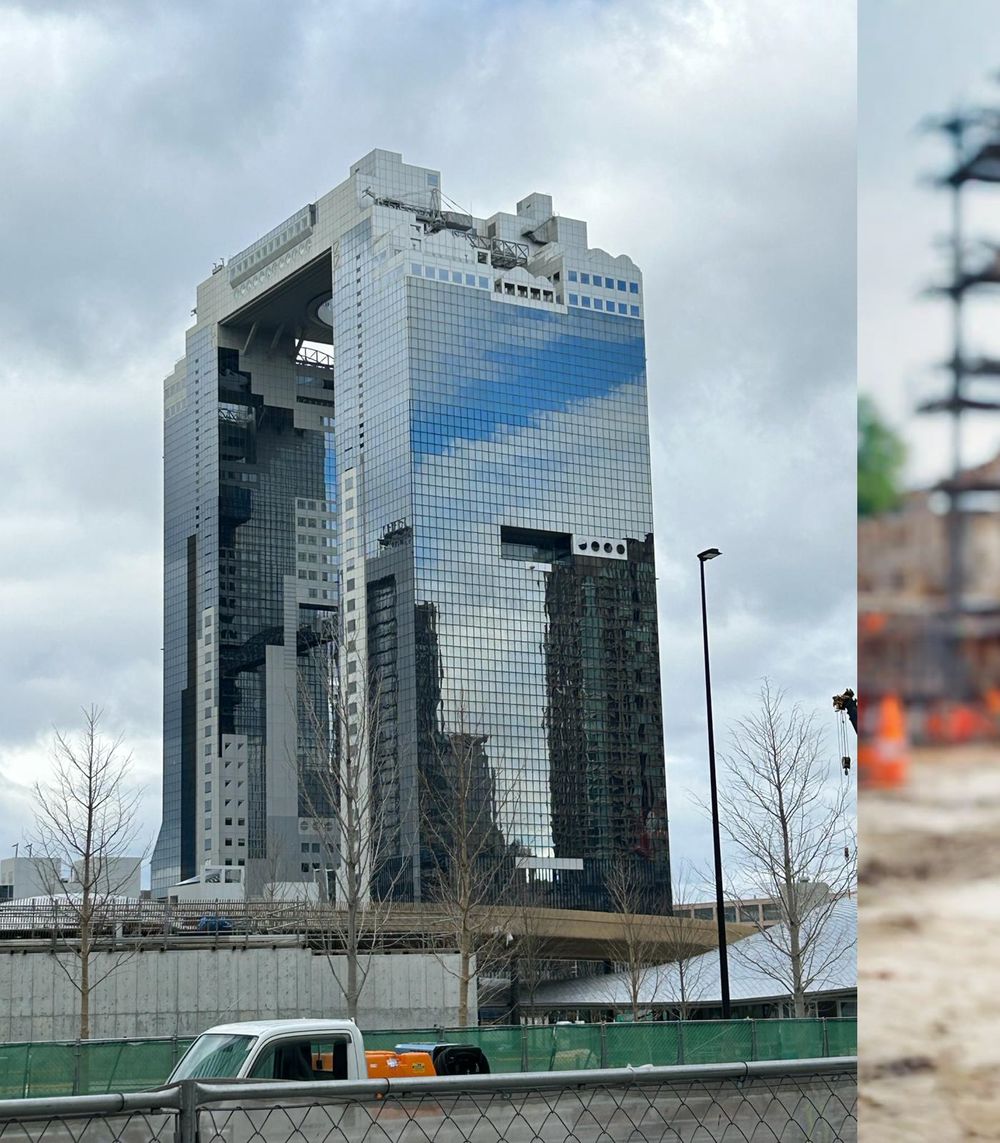
Expo 2025 in Osaka is regarded as a showcase for modern facility management standards. Japanese precision in technology and infrastructure demonstrates what rigorously organized operations can achieve.

At the same time, the country’s exposure to earthquakes makes clear that operating concepts must be designed not only for normal operations but always for extreme events as well.

Implication for facility management

Precision in normal operations and preparedness for emergencies are two sides of the same operator responsibility.

London
London · March 2023

London: Curbing Traffic Chaos

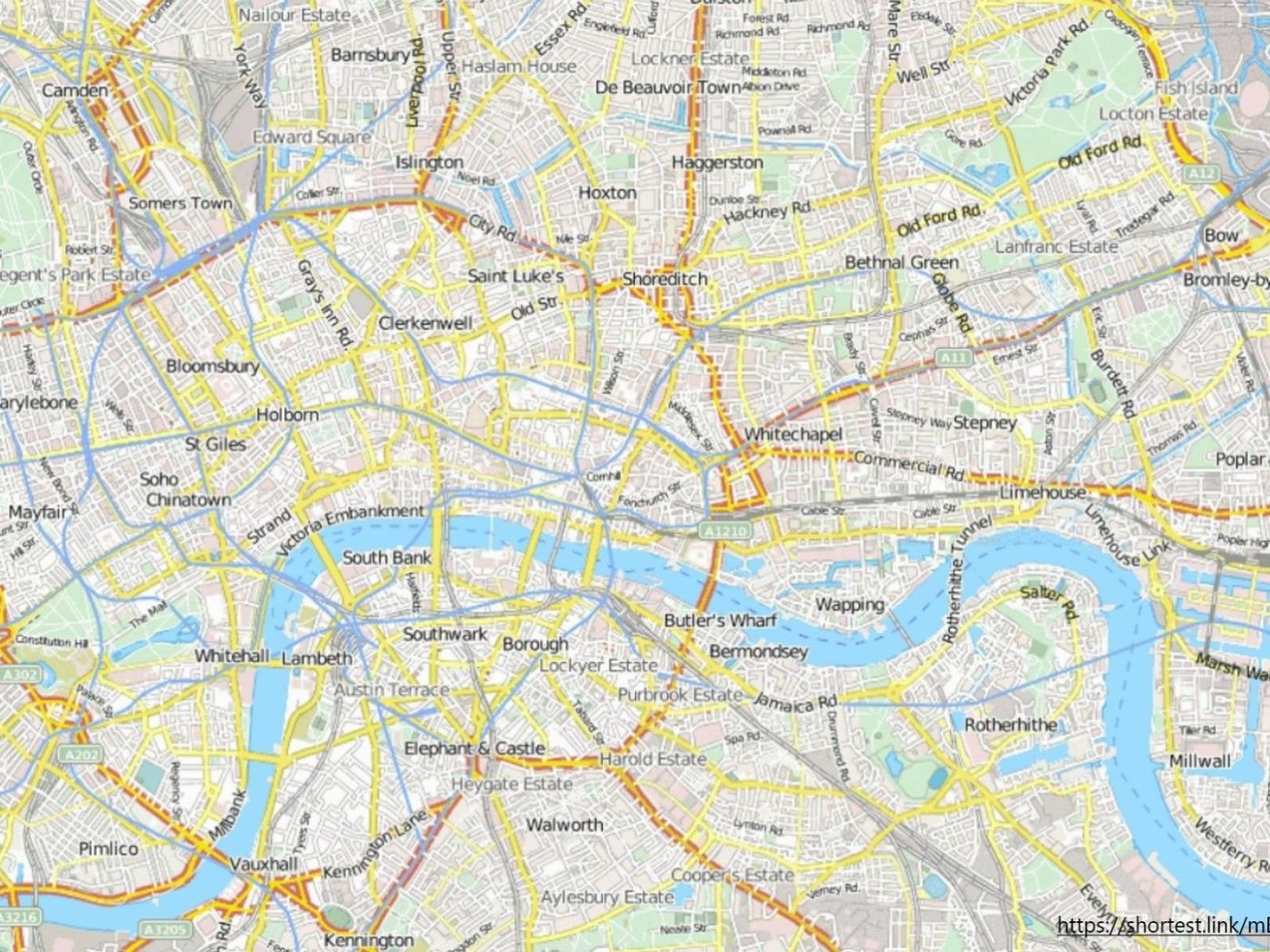
London’s historically grown infrastructure, with narrow streets and a high density of traffic signals, is reaching its capacity limits.

The city responds with a package of measures: expanding public transit, high-performance cycling infrastructure, intelligent traffic management and the Congestion Charge as a price-based steering instrument.

Implication for facility management

Steering through pricing and incentive systems is a principle that translates directly to space, parking and mobility management on site.

Contact

Let’s discuss where your organization stands.